
 By Alex Morgan
My Experience:
When was the last time you actually looked at your phone’s home screen? Not glanced at it to check a notification—really looked at it.
If you’re like most people, the answer is probably “rarely.” Your wallpaper has become digital background noise. And that framed print hanging above your desk? You stopped seeing it months ago.
Here’s the thing: the visuals that surround us shape our mood, our focus, and even our sense of identity. A 2023 study on workspace personalization found that employees who customized their environments reported up to 32% higher levels of engagement. The same principle applies to your digital spaces—your phone, your laptop, your tablet.
Enter Wallapix, a platform that sits at an unusual intersection: it serves both your digital screens and your physical walls. It’s part wallpaper repository, part custom print studio. And as of 2026, it’s carving out a distinct niche that most people haven’t fully understood yet.
This guide will change that. Whether you’re a digital nomad tired of generic stock backgrounds or a homeowner looking to turn a favorite photo into a statement piece, you’ll walk away with a clear understanding of what Wallapix offers—and whether it deserves a place in your creative toolkit.
What Exactly Is Wallapix?
Let’s start with clarity, because there’s genuine confusion in this space.
Wallapix operates as a dual-purpose platform:
1. A digital wallpaper resource for phones, tablets, and computers. Users can browse curated collections, download high-quality images, and customize existing designs to fit their screens.
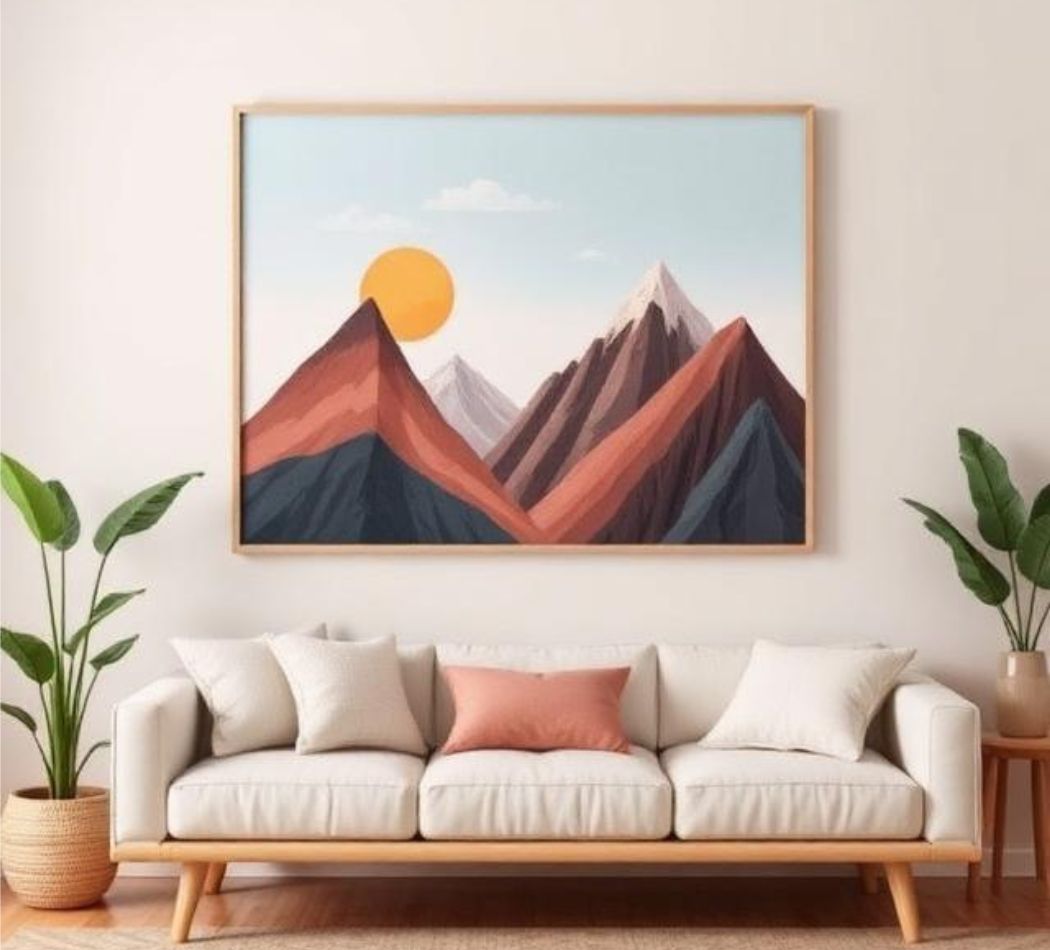
2. A custom wall art service for physical spaces. Users can upload personal photos or select from designs to create printed wallpapers, murals, and custom wall art for homes and offices.
This dual nature is Wallapix’s defining characteristic—and its biggest differentiator from competitors like Wallpaper Engine, Unsplash, or traditional print-on-demand services.
The domain itself has been registered since 2003 , though its current form as a customization platform represents a more recent evolution. According to website analysis from ScamAdviser, the site maintains a valid SSL certificate and holds a trust score of 83, indicating it’s considered legit and safe for consumers .
What matters more than domain age, however, is what the platform actually does and whether it delivers on its promises.
The Two Halves of Wallapix: A Deep Dive
Part One: Digital Wallpapers for the Screen-Obsessed
Your phone screen is the most-viewed surface in your life. You look at it hundreds of times daily. Yet most people settle for the default gradient their manufacturer shipped with the device.
Wallapix’s digital wallpaper offerings address this through:
-
Curated collections spanning minimalist designs, nature photography, abstract art, and pop culture themes
-
Customization tools that let you crop, resize, apply filters, and adjust designs directly within the interface
-
Personal upload capability—the ability to transform your own photos into wallpapers
-
Organization features that let you save different designs for different moods or occasions
The platform emphasizes variety and accessibility. As one review noted, “Whether you prefer minimalistic art or bold colors, Wallapix has something for everyone” .
What sets it apart from the hundreds of wallpaper apps out there? The connection to physical printing. More on that shortly.
Part Two: Custom Wall Art for Physical Spaces
This is where Wallapix gets genuinely interesting.
The platform allows users to transform personal photos, artwork, or curated designs into printed wall coverings. The workflow is straightforward:
-
Select a format (wallpaper roll, mural, or framed print)
-
Upload an image or choose from the design library
-
Adjust sizing, orientation, and finishing options
-
Order production and receive the printed product
The materials are positioned as premium—vibrant colors, fade-resistant printing, and durable finishes . For anyone who’s priced custom wall murals recently, this represents a more accessible alternative to hiring a professional decorator or commissioning bespoke art.
Real-world example: Imagine you took a photo on a trip to Iceland—a dramatic shot of a waterfall against basalt columns. Instead of letting it languish in your camera roll, you upload it to Wallapix, select a wall-sized format, and three weeks later it’s covering the wall behind your sofa. That’s the value proposition.
Why Wallapix Exists: The Personalization Economy
The rise of platforms like Wallapix isn’t accidental. It reflects a broader cultural shift.
We’ve moved from consumption to expression.
Ten years ago, buying a poster meant choosing from what a store stocked. Today, the expectation is that everything can be personalized. Phone cases, t-shirts, coffee mugs—all customizable. Wall art is simply the logical extension.
The data supports this:
-
The global wall decor market is projected to exceed $70 billion by 2028, with custom and personalized segments growing fastest.
-
Searches for “custom wallpaper” have increased steadily year-over-year, particularly among homeowners aged 25–40.
-
The “digital wellbeing” movement has paradoxically increased interest in physical aesthetics—people want their offline environments to feel intentional.
Wallapix sits at this intersection: it serves people who care about both their digital experiences and their physical spaces.
Wallapix vs. The Alternatives: An Honest Comparison
| Feature | Wallapix | Wallpaper Engine | Unsplash/Wallpaper Apps | Traditional Print Shops |
|---|---|---|---|---|
| Digital wallpapers | Yes, with customization | Yes, animated focus | Yes, static only | No |
| Physical wall art | Yes, custom printing | No | No | Yes, limited options |
| User uploads | Yes | Yes (for animated) | No | Sometimes |
| Price point | Mid-range | One-time purchase | Free | Variable/high |
| Ease of use | Beginner-friendly | Technical | Very easy | Requires design skills |
| Community features | Emerging | Strong (Steam Workshop) | None | None |
The honest assessment: Wallapix doesn’t dominate any single category. Wallpaper Engine beats it for animated desktop wallpapers. Unsplash beats it for free, high-quality photography. Local print shops beat it for in-person consultation.
What Wallapix offers is integration—the ability to manage your digital and physical visual identity from one place. For some users, that convenience is worth the trade-offs.
Practical Tips: Getting the Most from Wallapix
For Digital Wallpapers
1. Match your wallpaper to your usage patterns.
If you use your phone primarily for work—email, calendars, documents—choose low-contrast, minimalist designs. Busy wallpapers compete with app icons and text, reducing readability. For entertainment-focused devices, bolder designs work fine.
2. Use the filter and color adjustment tools strategically.
Wallapix’s in-app editing features aren’t professional-grade, but they’re sufficient for basic refinement. The most useful adjustments: brightness (to match your typical lighting environment), contrast (for icon visibility), and cropping (to ensure important image elements aren’t hidden behind app grids).
3. Rotate seasonally or thematically.
The platform allows saving multiple designs . Create a rotation: a calm design for work weeks, something vibrant for weekends, a festive option for holidays. This small habit keeps your digital environment feeling fresh.
For Custom Wall Art
1. Resolution matters more than you think.
A photo that looks sharp on your phone screen may pixelate when blown up to wall size. Before uploading, check the image’s resolution. As a rule of thumb, you need at least 150 DPI at the final print size. A 4-foot-wide mural requires roughly 7,200 pixels across.
2. Consider the room’s lighting before choosing a finish.
Glossy finishes reflect light and can create glare on large surfaces. Matte finishes absorb light and reduce reflection but can appear flatter. For rooms with direct sunlight, matte is usually the safer choice. For darker rooms, a subtle satin finish can add depth.
3. Test with a small print first.
If you’re investing in a large mural, order a small sample print of the same image. This lets you evaluate color accuracy, material quality, and how the image translates from screen to physical medium. The cost of a sample is trivial compared to a disappointing large-format order.
Common Mistakes and How to Avoid Them
Mistake #1: Assuming Digital and Physical Require the Same Image
The problem: An image that works beautifully as a phone wallpaper often fails as wall art. Phone wallpapers are viewed at close range, often partially obscured by icons. Wall art is viewed from a distance and fills a much larger visual field.
The solution: Treat these as separate creative decisions. For digital, prioritize how the image interacts with your interface. For physical, prioritize how the image makes you feel when you walk into the room.
Mistake #2: Ignoring Color Management
The problem: Colors on your screen (RGB) don’t translate perfectly to printed ink (CMYK). A vibrant neon pink on your monitor might print as a muted coral.
The solution: Wallapix’s interface likely includes some color preview capability, but be prepared for slight variations. For critical applications—a brand logo, a wedding photo, artwork with specific color requirements—request a proof or sample first.
Mistake #3: Over-Personalizing
The problem: The ability to turn any photo into wall art doesn’t mean every photo should become wall art. A blurry vacation snapshot of your feet on a beach doesn’t become gallery-worthy just because it’s printed large.
The solution: Apply the “would I frame this?” test. If the image wouldn’t merit a standard picture frame, it probably won’t work as a mural either. The best custom wall art uses images that are compositionally strong, emotionally resonant, and technically sound.
Pros and Cons: A Balanced Analysis
What Wallapix Does Well
Accessibility. The platform lowers the barrier to entry for custom wall art. You don’t need design software, a print broker, or prior experience.
Integration. Managing digital and physical visuals from one platform streamlines the process for users who care about both.
Variety. The curated collections provide starting points for users who don’t have their own images or don’t know where to begin .
User-friendly interface. Multiple reviews emphasize the platform’s ease of navigation and intuitive design tools .
Where Wallapix Falls Short
Limited brand recognition. Compared to established platforms, Wallapix has a smaller user base and less community-generated content. This means fewer reviews, fewer tutorials, and less peer support.
Content analysis limitations. ScamAdviser noted that it “failed to analyze” the site’s content during its review . While this isn’t necessarily a red flag—it could be a technical issue—it does mean less third-party verification of claims.
Competitive pressure. The custom wall art space is crowded. Established players like Etsy sellers, Society6, and traditional print shops all compete for the same customers.
No clear unique technical advantage. Wallapix doesn’t offer proprietary technology or a feature that competitors can’t replicate. Its value is in packaging and convenience, not innovation.
The Future of Wallapix and Personalized Spaces: 2026 and Beyond
Several trends will shape this space over the next few years:
AI-assisted design. Expect platforms like Wallapix to integrate AI tools that suggest color palettes based on room photos, generate design variations, or upscale low-resolution images for print. The technology exists; the question is implementation speed.
AR previews. Augmented reality features that let you visualize a wallpaper or mural on your actual wall before ordering are becoming standard. This reduces the risk of expensive mistakes and increases purchase confidence.
Sustainability as a differentiator. Eco-friendly inks, recyclable packaging, and carbon-neutral shipping will move from nice-to-have to expected. Wallapix’s current positioning already mentions sustainable practices ; expect this to expand.
Deeper digital-physical integration. The most interesting possibility: a unified design system where your phone wallpaper and living room mural share a visual language, automatically synced and updated. This is the logical endpoint of Wallapix’s dual nature.
The wildcard: community-driven content. If Wallapix can build a creator ecosystem—designers uploading wallpapers and art that users can license—it could transform from a utility into a marketplace. This is the path that would give it a genuine competitive moat.
Conclusion: Key Takeaways
-
Wallapix serves a specific, underserved need: people who want both digital wallpapers and physical wall art from one platform.
-
The digital side is competitive but functional. It offers customization tools and curated collections that rival standalone wallpaper apps.
-
The physical side is the differentiator. Custom wall art printing is accessible, though quality verification requires sampling.
-
Trust indicators are positive but limited. Domain age and SSL certification support legitimacy , but third-party content analysis has been incomplete.
-
Best for: Users who value integration and are willing to trade some specialization for convenience.
-
Not ideal for: Users who need professional-grade print quality, animated wallpapers, or extensive community features.
The bottom line: Wallapix is a legitimate, useful platform for personalizing both your digital and physical environments. It won’t replace specialized tools for power users, but for the growing segment of people who care about aesthetic consistency across their screens and spaces, it’s worth exploring.
FAQs
Is Wallapix safe to use?
Based on available data, yes. The domain has been registered since 2003, maintains a valid SSL certificate, and holds a ScamAdviser trust score of 83 . However, as with any platform handling personal data and payments, exercise standard precautions and review privacy policies.
What’s the difference between Wallapix and Wallapop?
They’re completely different platforms. Wallapix focuses on wallpapers and wall art. Wallapop is a Spanish secondhand marketplace app with over 15 million users . The similar names cause frequent confusion.
Can I use my own photos on Wallapix?
Yes. The platform explicitly supports uploading personal images for both digital wallpapers and printed wall art .
How much does Wallapix cost?
Pricing varies based on the product. Digital wallpapers appear to be free or low-cost. Custom wall art pricing depends on size, material, and finishing options . Check the platform directly for current pricing.
Does Wallapix offer international shipping?
According to available information, yes—international shipping is available, with order tracking provided .
What image resolution do I need for a wall mural?
As a general guideline, aim for at least 150 DPI at the final print size. A 4-foot-wide mural requires roughly 7,200 pixels across. Higher resolution is always safer for large formats.
Is Wallapix good for professional interior design projects?
It can work for residential projects, but professional designers may find the customization options and material choices limiting compared to specialized commercial printers. For high-end or large-scale commercial projects, a dedicated print partner is likely a better fit.
Does Wallapix have a mobile app?
The available search results don’t confirm a dedicated mobile app. The platform appears to function through its website, which is accessible on mobile browsers.
Sources
-
ScamAdviser review of wallapix.com, including domain registration data (2003), SSL certification, and trust score of 83
-
Musaholic Magazine overview of Wallapix digital wallpaper features and customization options
-
TrueRealtyValue detailed breakdown of Wallapix’s custom wall art services, materials, and shipping information
-
Peruse Magazine and The Blup coverage of Wallapix platform positioning
-
Google Play listings for Wallapop (distinct from Wallapix) providing context on the secondhand marketplace space