
 By Alex Morgan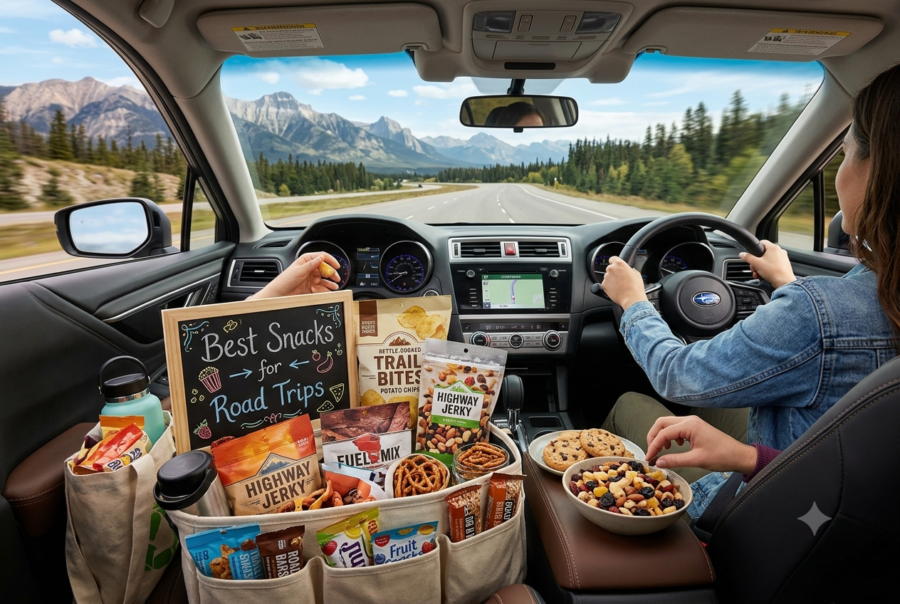
Last updated: September 7, 2026
My Experience:
The best road trip snacks balance mess-free portability, sustained energy, and non-perishable convenience to keep drivers and passengers satisfied between stops. High-protein, low-crumb options like beef jerky, mixed nuts, dried fruit, and string cheese prevent energy crashes without cluttering the vehicle.
-
High-Protein & Sustained Energy: Beef jerky, turkey sticks, mixed nuts (almonds, cashews), pumpkin seeds, and edamame.
-
Mess-Free & Low-Crumb: String cheese, hard-boiled eggs, dried fruit (mangoes, raisins), and whole apples or grapes.
-
Crunchy & Savory: Pre-portioned pretzels, rice cakes, pita chips, and roasted chickpeas.
-
Sweet & Satisfying: Dark chocolate squares, granola bars, oat bites, and fruit leather.
This guide focuses on snacks that actually work on the road: items that hold up in a bag or cooler, require minimal cleanup, and provide better staying power than typical gas-station purchases.
What Makes a Snack Good for Road Trips?
Strong road-trip snacks share several practical traits:
- Durability (they don’t spoil, crush, or melt easily)
- Low mess (minimal crumbs, grease, or sticky fingers)
- Easy one-handed eating
- Reasonable fullness
- Simple packaging or pre-portioned servings
- Flexibility for different ages and preferences
Temperature control also matters. Some foods need a cooler; others can sit at room temperature for hours.
Core Strategy for Road Trip Snacking
A simple system works better than packing everything you own:
- Pack a small cooler for perishable items
- Pack a dry bag or box for shelf-stable snacks
- Portion foods in advance
- Include both savory and lightly sweet options
- Bring more water than you think you need
- Keep cleanup supplies (wipes, napkins, small trash bags)
Best Snacks for Road Trips (Detailed Options)
1. Mixed Nuts or Trail Mix (Pre-Portioned)
Nuts are one of the highest-value road trip foods. They are calorie-dense, shelf-stable, and satisfying.
Best practice: Portion into small containers or zip bags before leaving. Eating from a large bag usually leads to overconsumption and constant hand-to-bag movement.
2. Protein Bars or Snack Bars
Useful when you need something self-contained. Quality varies widely.
What to look for:
- Moderate sugar
- Some protein
- Texture that isn’t overly sticky or crumbly
- Packaging that opens cleanly
Keep a variety so people don’t burn out on the same bar.
3. Whole Fruit That Travels Well
Apples, bananas, and clementines are the most reliable. They require no cooler and create relatively little mess.
Avoid or be careful with: Very ripe peaches, soft berries, or anything that bruises and leaks easily.
4. Cheese Sticks or Wax-Wrapped Cheese
These hold up well in a cooler and provide protein with almost no preparation. They are neat to eat and portion-controlled by design.
5. Roasted Chickpeas or Crunchy Bean Snacks
A strong savory alternative to chips. They deliver crunch and more fiber/protein than most puffed snacks, and they travel well at room temperature.
6. Turkey or Beef Jerky
High in protein and fully shelf-stable. Jerky is especially useful on longer drives when you need something substantial without refrigeration.
Choose lower-sugar versions when possible.
7. Whole-Grain Crackers or Rice Cakes
Mild, portable, and useful as a base. Pair them with cheese, nut butter packets, or tuna packets for better balance.
8. Single-Serve Nut Butter Packets
These solve the mess problem of full jars. Pair with apples, bananas, or crackers.
9. Cut Vegetables with Hummus Cups
Carrots, cucumber sticks, and celery travel reasonably well in a cooler. Single-serve hummus cups keep dipping cleaner than a shared container.
10. Popcorn (Pre-Popped)
Lightweight and relatively low-mess when packed in resealable bags. Choose simple versions rather than heavily coated sweet or greasy popcorn.
11. Dry Cereal or Granola (Portioned)
Works especially well for kids. Use small containers and prefer lower-sugar options.
12. Dark Chocolate Squares (Small Amounts)
A controlled way to handle sweet cravings. Keep chocolate cooler-side or in a temperature-stable part of the car so it doesn’t melt.
13. Tuna or Salmon Packets
More substantial than most snacks and shelf-stable. Useful when a “mini meal” is needed between real food stops.
14. Hard-Boiled Eggs (Cooler Required)
Excellent protein if you have cooler space. Peel in advance for less mess in the car.
Also Visit: Best Snacks for Weight Management
Cooler vs. No-Cooler Options
Works well without a cooler:
- Nuts and seeds
- Jerky
- Protein bars
- Apples and bananas
- Roasted chickpeas
- Crackers
- Nut butter packets
- Popcorn
Better with a cooler:
- Cheese
- Yogurt
- Cut vegetables
- Hummus
- Hard-boiled eggs
- Some fruit
A small soft cooler with a couple of ice packs is usually enough for day trips or the first half of a longer drive.
Road Trip Snack Kit Example
Dry bag:
- Portioned nuts
- Protein bars
- Jerky
- Roasted chickpeas
- Crackers
- Nut butter packets
Cooler:
- Cheese sticks
- Apples
- Carrot sticks
- Hummus cups
- Water bottles
Extras:
- Napkins
- Wet wipes
- Small trash bags
- Hand sanitizer
Special Considerations
With kids:
- Prioritize familiar foods
- Use more portioned packages
- Include at least one slightly fun option
- Avoid foods that create sticky hands or strong smells
With multiple adults:
- Pack more protein options
- Account for different preferences (savory vs. sweet)
- Keep shared items organized so the same person isn’t constantly handing food around
Long drives:
- Emphasize higher-protein items
- Plan snack timing rather than constant grazing
- Use rest stops for any messier foods when possible
Common Road Trip Snacking Mistakes
- Packing only sweet foods
- Bringing large open bags of chips or candy
- Forgetting water
- Relying entirely on gas station food
- Under-packing protein
- Not planning for trash and cleanup
Sample Road Trip Snacking Timeline
- First 1–2 hours: Lighter options (fruit, a small handful of nuts)
- Mid-drive: More substantial item (jerky, cheese + crackers, protein bar)
- Later in the day: Another balanced option or a mini-meal style packet
This pattern is usually better than continuous grazing.
Frequently Asked Questions
How much food should I pack? More than you think you need for the number of people, but in portioned containers. Running out creates pressure to buy lower-quality options.
What are the least messy snacks? Cheese sticks, jerky, apples, nut packs, roasted chickpeas, and protein bars generally create the least chaos.
Can I bring yogurt? Yes, if you have a cooler and plan to eat it earlier in the trip.
Are chips a bad idea? They aren’t ideal as a primary snack. They create crumbs, provide little lasting fullness, and disappear quickly. If you bring them, treat them as a small side item.
What about drinks? Water should be the default. One or two non-water options is fine; too many sugary drinks often increase restlessness and thirst later.
Final Thoughts
The best snacks for road trips are planned in advance and chosen for practicality as much as taste. Protein, portioning, and low mess matter more on the road than they do at home.
You do not need an elaborate spread. A cooler with a few fresh items and a dry bag of reliable shelf-stable options is enough to make most drives smoother and more comfortable.
Pack once with intention, and you’ll spend less time hunting for food and more time actually enjoying the trip.