
 By Alex Morgan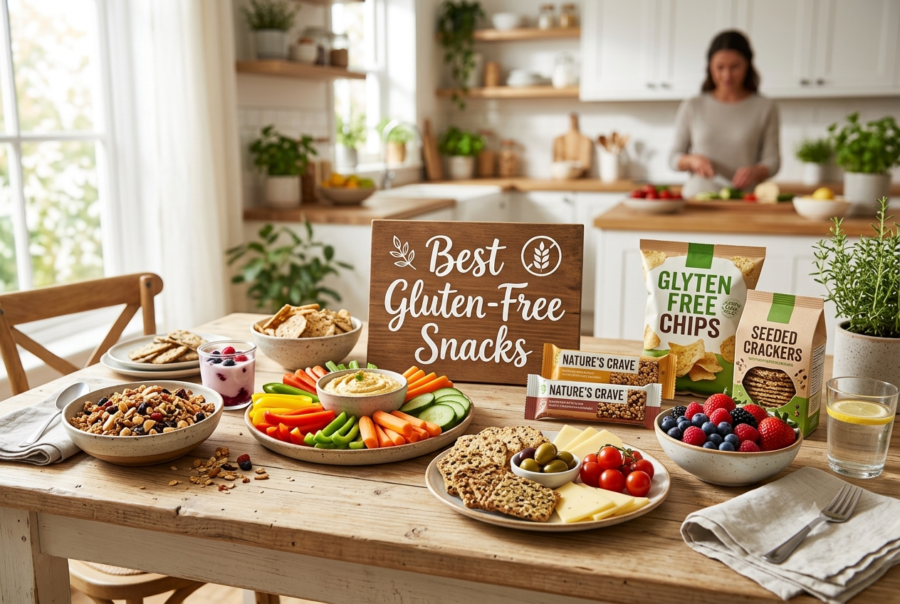
Last updated: September 7, 2026
My Experience:
Best Gluten Free Snacks: Eating gluten-free used to mean very limited snack choices and a lot of bland substitutes. That is no longer the case. Many excellent snacks are naturally gluten-free, and the quality of dedicated gluten-free packaged products has improved significantly.
This guide focuses on realistic, widely available gluten-free snacks that work for everyday life — whether you have celiac disease, non-celiac gluten sensitivity, or are simply reducing gluten. The emphasis is on options that taste good, provide decent nutrition, and don’t require constant special ordering.
Understanding Gluten-Free Snacking
Gluten is a protein found in wheat, barley, and rye. For people who must avoid it completely, even small amounts matter. For others, the goal may simply be fewer gluten-containing processed foods.
The safest and often most nutritious gluten-free snacks are foods that never contained gluten in the first place: fruit, vegetables, nuts, seeds, dairy (if tolerated), eggs, meat, fish, and many legumes.
Packaged products can be convenient, but they require label reading.
Key Rules for Gluten-Free Snacks
- Prefer naturally gluten-free whole foods when possible
- Read labels every time — formulas change
- Look for certified gluten-free packaging if you need a high level of safety
- Be careful with oats (choose certified gluten-free if required)
- Watch for hidden sources such as soy sauce, malt, and certain seasonings
- Consider cross-contamination if you are highly sensitive
Best Gluten Free Snacks (Detailed List)
1. Fresh Fruit
Apples, bananas, berries, oranges, grapes, and melons are naturally gluten-free and require no special labels. Pairing fruit with protein or fat improves staying power.
Good combinations: Apple + cheese, banana + nut butter, berries + yogurt.
2. Nuts and Seeds
Almonds, walnuts, cashews, pistachios, pumpkin seeds, and sunflower seeds are naturally gluten-free. Choose plain or dry-roasted versions without questionable flavor coatings.
Tip: Buy from sealed packages rather than bulk bins if cross-contamination is a concern.
3. Cheese Sticks or Cheese Cubes
Most plain cheeses are gluten-free. They are convenient, portion-controlled, and provide protein.
4. Greek Yogurt or Regular Yogurt
Plain yogurt is typically gluten-free. Always check flavored varieties for additives. Greek yogurt offers higher protein.
5. Hard-Boiled Eggs
Naturally gluten-free, portable, and high in protein. One of the simplest reliable options.
6. Vegetable Sticks with Hummus
Carrots, cucumbers, bell peppers, and celery with plain hummus. Most traditional hummus is gluten-free, but verify the label.
7. Roasted Chickpeas
Crunchy, savory, and naturally gluten-free. You can buy ready-made versions or roast your own with oil and spices.
8. Rice Cakes or Corn Cakes
Plain rice or corn cakes are widely available and gluten-free. Top with nut butter, avocado, tuna, or cheese for a more complete snack.
9. Gluten-Free Crackers
Options made from rice, corn, nuts, seeds, or legumes have improved in texture. Quality still varies by brand, so experimentation helps.
10. Turkey or Beef Jerky
Many plain jerkies are gluten-free, but marinades often contain soy sauce or other gluten sources. Choose clearly labeled gluten-free products.
11. Popcorn
Air-popped or plain popcorn is naturally gluten-free. Avoid heavily flavored varieties that may include gluten-containing additives.
12. Dark Chocolate
Many plain dark chocolate bars are gluten-free. Always check the label for cross-contamination warnings or added ingredients.
13. Edamame
Shelled edamame is naturally gluten-free and provides plant-based protein.
14. Tuna or Salmon Packets
Shelf-stable and high in protein. Confirm that any added flavorings are gluten-free.
15. Nut Butter Packets
Peanut, almond, and sunflower seed butters are generally gluten-free and convenient for travel or work.
Visit More: Best Snacks for Road Trips
Packaged Gluten-Free Snacks: What to Watch For
When buying packaged products, check for:
- Certified gluten-free logos when needed
- Wheat, barley, rye, malt, or “natural flavors” that may hide gluten
- Shared equipment warnings if you are highly sensitive
- Sugar content (many gluten-free specialty products compensate with extra sugar)
Better packaged categories usually include:
- Simple roasted legume snacks
- Plain nut packs
- Clearly labeled jerky
- Basic rice or corn cakes
- Some protein bars specifically marked gluten-free
Building a Reliable Gluten-Free Snack System
A short personal list works better than constant improvisation:
At home: Eggs, yogurt, cheese, fruit, vegetables, hummus, nuts
At work: Nut packs, rice cakes, gluten-free bars, jerky, fruit
On the go: Nut butter packets, certified gluten-free bars, apples, jerky, roasted chickpeas
Sample Gluten-Free Snack Combinations
- Apple + cheese stick
- Greek yogurt + berries
- Carrots + hummus
- Banana + peanut butter
- Handful of almonds + dark chocolate square
- Rice cake + tuna
- Roasted chickpeas + cucumber slices
- Hard-boiled eggs + fruit
Special Situations
For kids: Focus on familiar naturally gluten-free foods first (fruit, cheese, yogurt, nuts if allowed). Introduce specialty gluten-free packaged snacks gradually.
For travel: Carry multiple sealed backup options. Airport and road food can be unpredictable.
For strict celiac needs: Prioritize certified products and lower-risk whole foods. Be cautious with bulk bins and shared kitchen surfaces when relevant.
Common Mistakes
- Assuming “wheat-free” always means gluten-free
- Trusting bulk bins
- Relying too heavily on processed gluten-free snack foods
- Forgetting to pair carbs with protein or fat
- Not re-checking labels on familiar products
Frequently Asked Questions
Are oats gluten-free? Only if they are certified gluten-free. Regular oats are often cross-contaminated with wheat.
Is popcorn safe? Plain popcorn is naturally gluten-free. Flavored versions need label checking.
Can I eat chips? Some potato chips and corn chips are gluten-free; many are not. Always verify.
Are gluten-free snacks automatically healthier? No. Many are still high in sugar or refined starches. Ingredient quality still matters.
What is the easiest starting point? Build most of your snacks from fruit, nuts, cheese, yogurt, eggs, and vegetables. Add specialty products only as needed.
Final Thoughts
The best gluten-free snacks are often the simplest ones. Foods that never contained gluten in the first place tend to be more nutritious, more reliable, and less expensive than many specialty substitutes.
Start with a core group of naturally gluten-free options you enjoy, keep a few trusted packaged backups, and read labels consistently. That combination covers most everyday situations without unnecessary complexity.